The Post Title 1

In today's fast-paced world, finding balance can feel like a daunting task. Many of us juggle work, family, and personal interests, often leaving little time for ourselves. However, achieving a sense of balance is not only possible, it is essential for our well-being. In this post, we will explore practical strategies to help you find that balance in your life.
Understanding Balance
Balance is not just about managing time. It is about creating harmony between different aspects of your life. This includes work, relationships, health, and personal growth. When one area is out of sync, it can affect everything else.
The Importance of Balance
Why is balance so important? Here are a few reasons:
Mental Health: A balanced life can reduce stress and anxiety. When you feel overwhelmed, it can lead to burnout.
Physical Health: Taking time for yourself can improve your physical health. Regular exercise and proper nutrition are easier to maintain when you prioritize balance.
Relationships: Spending quality time with loved ones strengthens relationships. Balance allows you to nurture these connections.
Assessing Your Current Situation
Before you can find balance, you need to understand where you currently stand. Take a moment to reflect on your life. Ask yourself:
What areas of my life feel out of balance?
Am I spending too much time at work?
Do I have enough time for my hobbies and interests?
Creating a Balance Checklist
To help you assess your situation, create a balance checklist. Here are some categories to consider:
Work: Are you working long hours? Do you feel fulfilled in your job?
Family: Are you spending enough time with family? Are your relationships strong?
Health: Are you exercising regularly? Are you eating well?
Personal Growth: Are you pursuing hobbies or interests? Are you learning new skills?
Setting Goals for Balance
Once you have assessed your current situation, it is time to set goals. Goals give you direction and help you stay focused. Here are some tips for setting effective goals:
Be Specific: Instead of saying, "I want to exercise more," say, "I will go for a 30-minute walk three times a week."
Make Them Measurable: This allows you to track your progress. For example, "I will read one book per month."
Set Realistic Goals: Ensure your goals are achievable. Setting impossible goals can lead to frustration.
Example Goals for Balance
Here are some examples of goals you might set:
Work: Limit work hours to 40 per week.
Family: Schedule a family game night every Friday.
Health: Prepare healthy meals at home four times a week.
Personal Growth: Take an online course in a subject of interest.
Creating a Daily Routine
A daily routine can help you maintain balance. Routines provide structure and make it easier to incorporate your goals into your life. Here are some tips for creating a balanced daily routine:
Start Your Day with Intention: Take a few minutes each morning to set your intentions for the day. This can help you stay focused.
Prioritize Tasks: Identify your most important tasks for the day. Focus on completing these first.
Schedule Breaks: Make sure to include breaks in your routine. Short breaks can boost productivity and reduce stress.
Sample Daily Routine
Here is a sample daily routine that promotes balance:
Morning:
- 7:00 AM: Wake up and meditate for 10 minutes.
- 7:30 AM: Go for a 30-minute walk.
- 8:00 AM: Have a healthy breakfast.
Work:
- 9:00 AM: Start work.
- 12:00 PM: Take a lunch break and spend time with family.
Afternoon:
- 1:00 PM: Continue work.
- 3:00 PM: Take a 10-minute break to stretch.
Evening:
- 5:00 PM: Finish work.
- 6:00 PM: Prepare dinner with family.
- 7:00 PM: Read or pursue a hobby.
Learning to Say No
One of the biggest challenges in finding balance is learning to say no. Many people struggle with this, often taking on too much. Here are some tips for saying no effectively:
Be Honest: If you cannot take on a task, be honest about your reasons.
Offer Alternatives: If possible, suggest someone else who can help.
Practice: Saying no can be difficult. Practice with small requests to build your confidence.
The Benefits of Saying No
Saying no can lead to several benefits:
More Time: You will have more time for the things that matter most.
Reduced Stress: Taking on too much can lead to stress. Saying no helps you maintain your peace of mind.
Improved Focus: With fewer distractions, you can focus on your priorities.
Finding Time for Yourself
Self-care is essential for maintaining balance. Taking time for yourself allows you to recharge and refocus. Here are some self-care ideas:
Exercise: Find an activity you enjoy, whether it is yoga, running, or dancing.
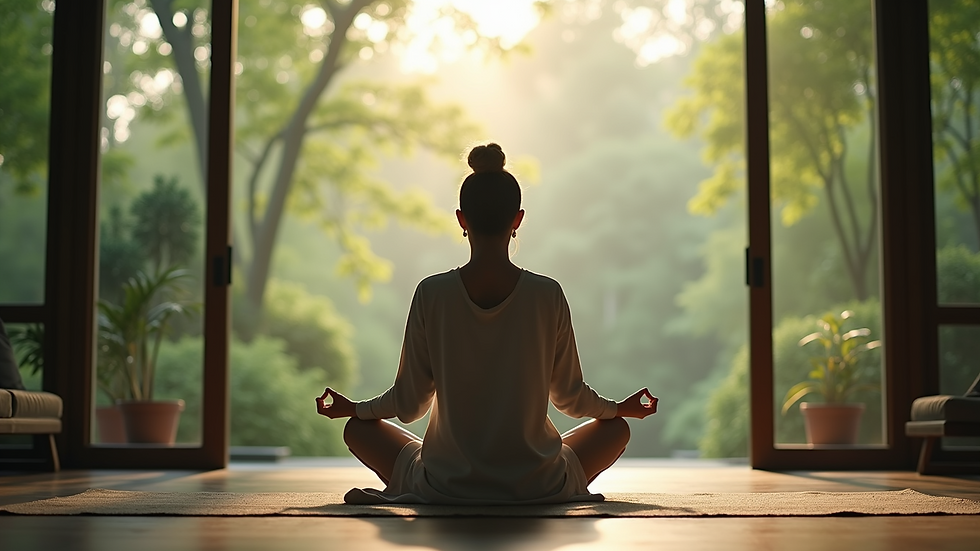
Meditation: Spend a few minutes each day meditating to clear your mind.
Hobbies: Make time for hobbies that bring you joy, such as painting, gardening, or playing an instrument.
Incorporating Self-Care into Your Routine
To make self-care a priority, incorporate it into your daily routine. Here are some suggestions:
Schedule It: Treat self-care like an important appointment. Block out time in your calendar.
Start Small: If you are new to self-care, start with just a few minutes each day. Gradually increase the time as you become more comfortable.
Be Consistent: Consistency is key. Make self-care a regular part of your life.
Seeking Support
Finding balance can be challenging, and you do not have to do it alone. Seeking support from friends, family, or professionals can make a big difference. Here are some ways to find support:
Talk to Friends: Share your goals with friends. They can offer encouragement and accountability.
Join a Group: Consider joining a group focused on personal growth or wellness. This can provide motivation and support.
Seek Professional Help: If you are struggling, consider speaking with a therapist or coach. They can provide guidance and strategies tailored to your needs.
The Power of Community
Being part of a supportive community can enhance your journey toward balance. Here are some benefits of community support:
Shared Experiences: Hearing others' stories can inspire you and provide new perspectives.
Accountability: A community can help keep you accountable to your goals.
Encouragement: Support from others can boost your motivation and confidence.
Embracing Flexibility
Life is unpredictable, and sometimes, despite our best efforts, things do not go as planned. Embracing flexibility is crucial for maintaining balance. Here are some tips for being flexible:
Adjust Your Goals: If something is not working, do not be afraid to adjust your goals.
Be Open to Change: Life changes can bring new opportunities. Embrace them instead of resisting.
Practice Mindfulness: Mindfulness can help you stay present and adapt to changes more easily.
The Benefits of Flexibility
Being flexible can lead to several benefits:
Reduced Stress: Accepting that things may not go as planned can reduce anxiety.
Increased Resilience: Flexibility helps you bounce back from setbacks more easily.
Greater Satisfaction: Embracing change can lead to new experiences and opportunities for growth.
Celebrating Your Progress
As you work toward balance, it is essential to celebrate your progress. Acknowledging your achievements, no matter how small, can boost your motivation. Here are some ways to celebrate:
Keep a Journal: Write down your accomplishments and reflect on your journey.
Reward Yourself: Treat yourself to something special when you reach a goal.
Share with Others: Share your successes with friends or family. Their support can enhance your celebration.
The Importance of Reflection
Regular reflection can help you stay on track. Take time to evaluate your progress and adjust your goals as needed. Here are some questions to consider:
What have I accomplished so far?
What challenges have I faced?
How can I improve moving forward?
The Journey to Balance
Finding balance is a journey, not a destination. It requires ongoing effort and adjustment. Remember that it is okay to have ups and downs along the way. The key is to stay committed to your goals and be kind to yourself.
Final Thoughts
Achieving balance in life is possible with the right strategies and mindset. By assessing your current situation, setting goals, creating a routine, and seeking support, you can find harmony in your life. Remember to celebrate your progress and embrace flexibility as you navigate this journey.
Finding balance is not just about managing time; it is about creating a fulfilling life. Take the first step today, and you will be on your way to a more balanced and satisfying life.


コメント